Sign In | Join Free | My burrillandco.com
Home > Precision Alloy >

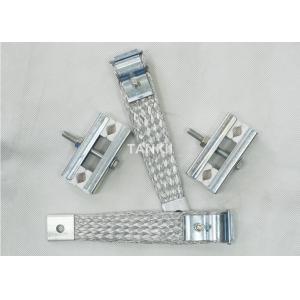
Braided Surface Precision Alloy Clamp For Silicon Carbon Bar Stainless Steel Material

Shanghai Tankii Alloy Material Co.,Ltd
Trust Seal
Verified Supplier
Credit Check
Supplier Assessment
Contact Now
    Buy cheap Braided Surface Precision Alloy Clamp For Silicon Carbon Bar Stainless Steel Material from wholesalers
     
    Buy cheap Braided Surface Precision Alloy Clamp For Silicon Carbon Bar Stainless Steel Material from wholesalers
    • Buy cheap Braided Surface Precision Alloy Clamp For Silicon Carbon Bar Stainless Steel Material from wholesalers
    • Buy cheap Braided Surface Precision Alloy Clamp For Silicon Carbon Bar Stainless Steel Material from wholesalers
    • Buy cheap Braided Surface Precision Alloy Clamp For Silicon Carbon Bar Stainless Steel Material from wholesalers
    • Buy cheap Braided Surface Precision Alloy Clamp For Silicon Carbon Bar Stainless Steel Material from wholesalers

    Braided Surface Precision Alloy Clamp For Silicon Carbon Bar Stainless Steel Material

    Ask Lasest Price
    Brand Name : Tankii
    Model Number : SS304
    Certification : ISO9001:2015
    Price : Negotiated price
    Payment Terms : L/C, T/T, Western Union, MoneyGram, Paypal
    Supply Ability : 200+TON+MONTH
    Delivery Time : 7-12 DAYS
    • Product Details
    • Company Profile

    Braided Surface Precision Alloy Clamp For Silicon Carbon Bar Stainless Steel Material

    Accustomized Size Clamp for Silicon Carbon Bar Element Application


    Properties
    The advantageous properties of stainless steels can be seen when compared to standard plain carbon mild steel. Although stainless steels have a broad range of properties, in general, when compared with mild steel, stainless steels have:
    ~ Higher corrosion resistance
    ~ Higher cryogenic toughness
    ~ Higher work hardening rate
    ~ Higher hot strength
    ~ Higher ductility
    ~ Higher strength and hardness
    ~ A more attractive appearance
    ~ Lower maintenance


    Corrosion Resistance
    All stainless steels are iron-based alloys that contain a minimum of around 10.5% Chromium. The Chromium in the alloy forms a self-healing protective clear oxide layer. This oxide layer gives stainless steels their corrosion resistance. The self healing nature of the oxide layer means the corrosion resistance remains intact regardless of fabrication methods. Even if the material surface is cut or damaged, it will self heal and corrosion resistance will be maintained.
    Conversely, normal carbon steels may be protected from corrosion by painting or other coatings like galvanising. Any modification of the surface exposes the underlying steel and corrosion can occur.
    The corrosion of different grades of stainless steel will differ with various environments. Suitable grades will depend upon the service environment. Even trace amounts of some elements can markedly alter the corrosion resistance. Chlorides in particular can have an adverse effect on the corrosion resistance of stainless steel.
    Grades high in Chromium, Molybdenum and Nickel are the most resistant to corrosion.

    ITEMStainless Steel Wire
    BRANDRONSCO,BAOSTEEL, JISCO, TISCO, etc.
    MATERIAL200,300 and 400 SERIES
    STANDARDGB, AISI, ASTM, ASME, EN, BS, DIN, JIS
    CERTIFICATECE,BV,SGS
    SURFACEelectrolysis bright, bright, matt.
    APPLICATION

    Construction and decoration, as well as all kinds of industries
    and manufacture

    PACKINGStandard export sea-worthy packing
    SHIPMENTOcean shipping
    LEAD TIME3-15 days after deposit
    PAYMENTT/T, L/C, Western Union


    Cryogenic (Low Temperature) Resistance
    Cryogenic resistance is measured by the ductility or toughness at sub zero temperatures. At cryogenic temperatures the tensile strengths of austenitic stainless steels are substantially higher than at ambient temperatures. They also maintain excellent toughness.
    Ferritic, martensitic and precipitation hardening steels should not be used at sub-zero temperatures. The toughness of these grades drops significantly at low temperatures. In some cases this drop occurs close to room temperature.


    Work Hardening
    Work hardenable grades of stainless steel have the advantage that significant increases to the strength of the metal can be achieved simply through cold working. A combination of cold working and annealing stages can be employed to give the fabricated component a specific strength.
    A typical example of this is the drawing of wire. Wire to be used as springs will be work hardened to a particular tensile strength. If the same wire was to be used as a bendable tie wire, it would be annealed, resulting in a softer material.


    Hot Strength
    Austenitic grades retain high strength at elevated temperatures. This is particularly so with grades containing high levels of chromium and/or high silicon, nitrogen and rare earth elements (e.g. grade 310 and S30815). High chromium ferritic grades like 446 can also show high hot strength.
    The high chromium content of stainless steels also helps to resist scaling at elevated temperatures.
    Properties
    The advantageous properties of stainless steels can be seen when compared to standard plain carbon mild steel. Although stainless steels have a broad range of properties, in general, when compared with mild steel, stainless steels have:
    ~ Higher corrosion resistance
    ~ Higher cryogenic toughness
    ~ Higher work hardening rate
    ~ Higher hot strength
    ~ Higher ductility
    ~ Higher strength and hardness
    ~ A more attractive appearance
    ~ Lower maintenance


    Corrosion Resistance
    All stainless steels are iron-based alloys that contain a minimum of around 10.5% Chromium. The Chromium in the alloy forms a self-healing protective clear oxide layer. This oxide layer gives stainless steels their corrosion resistance. The self healing nature of the oxide layer means the corrosion resistance remains intact regardless of fabrication methods. Even if the material surface is cut or damaged, it will self heal and corrosion resistance will be maintained.
    Conversely, normal carbon steels may be protected from corrosion by painting or other coatings like galvanising. Any modification of the surface exposes the underlying steel and corrosion can occur.
    The corrosion of different grades of stainless steel will differ with various environments. Suitable grades will depend upon the service environment. Even trace amounts of some elements can markedly alter the corrosion resistance. Chlorides in particular can have an adverse effect on the corrosion resistance of stainless steel.
    Grades high in Chromium, Molybdenum and Nickel are the most resistant to corrosion.


    Cryogenic (Low Temperature) Resistance
    Cryogenic resistance is measured by the ductility or toughness at sub zero temperatures. At cryogenic temperatures the tensile strengths of austenitic stainless steels are substantially higher than at ambient temperatures. They also maintain excellent toughness.
    Ferritic, martensitic and precipitation hardening steels should not be used at sub-zero temperatures. The toughness of these grades drops significantly at low temperatures. In some cases this drop occurs close to room temperature.


    Work Hardening
    Work hardenable grades of stainless steel have the advantage that significant increases to the strength of the metal can be achieved simply through cold working. A combination of cold working and annealing stages can be employed to give the fabricated component a specific strength.
    A typical example of this is the drawing of wire. Wire to be used as springs will be work hardened to a particular tensile strength. If the same wire was to be used as a bendable tie wire, it would be annealed, resulting in a softer material.


    Hot Strength
    Austenitic grades retain high strength at elevated temperatures. This is particularly so with grades containing high levels of chromium and/or high silicon, nitrogen and rare earth elements (e.g. grade 310 and S30815). High chromium ferritic grades like 446 can also show high hot strength.
    The high chromium content of stainless steels also helps to resist scaling at elevated temperatures.


    Braided Surface Precision Alloy Clamp For Silicon Carbon Bar Stainless Steel MaterialBraided Surface Precision Alloy Clamp For Silicon Carbon Bar Stainless Steel Material

    Quality Braided Surface Precision Alloy Clamp For Silicon Carbon Bar Stainless Steel Material for sale
    Inquiry Cart 0
    Send your message to this supplier
     
    *From:
    *To: Shanghai Tankii Alloy Material Co.,Ltd
    *Subject:
    *Message:
    Characters Remaining: (0/3000)